|
From Palazzo Pitti to Ponte Vecchio
Palazzo Pitti was designed by Filippo Brunelleschi under the order of Luca Pitti; it was once the residence of the Grand-dukes of Tuscany, and nowadays it has been subdivided in various Galleries hosting the works of Raffaello, Tiziano and Caravaggio in the Palatine Gallery, and those of the Macchiaioli in the Gallery of Modern Art, without forgetting the furnishing presented in the Museum of the Silver and of the Porcelain.
At the shoulders of Palazzo Pitti is located the large Garden of Boboli that, after the original project probably firmed by the same Brunelleschi, owns its actual design with the pathways decorated with Renaissance statues to Niccolò Pericoli.
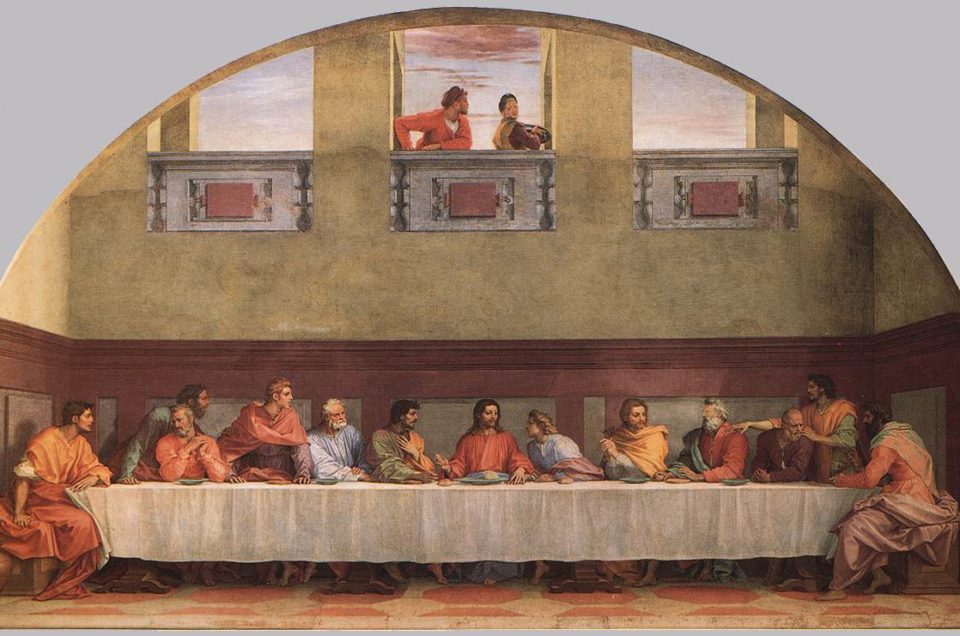
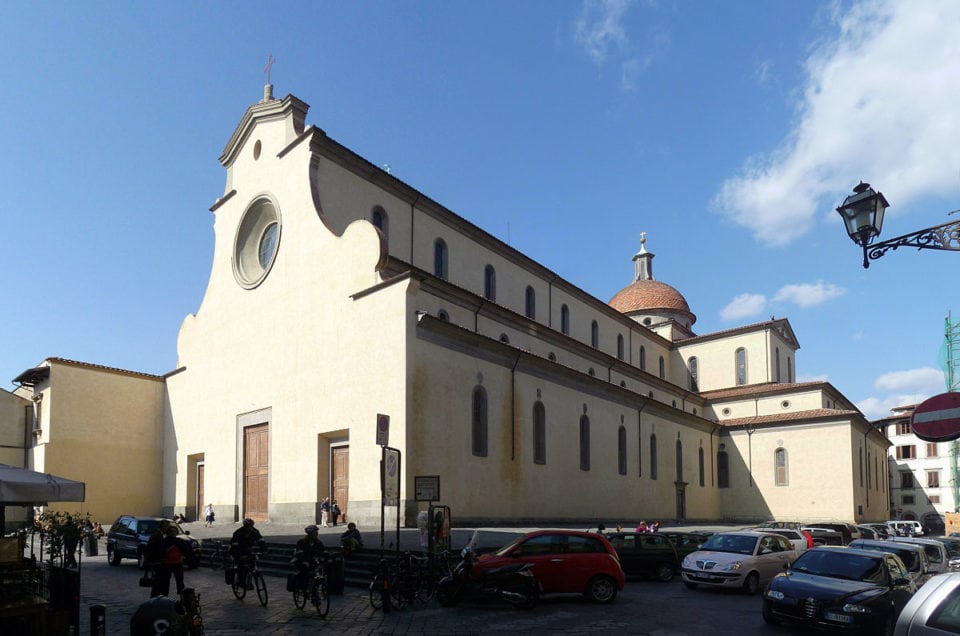
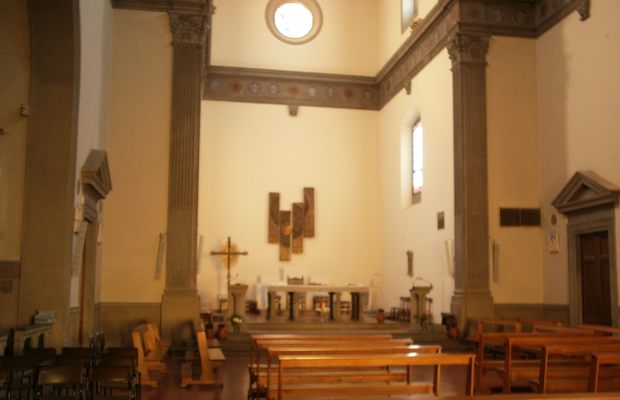
From Piazza de Pitti, taking the “Via Guicciardini”, one arrives to Ponte Vecchio, over the Arno River and from there, crossing “Borgo San Iacopo” and “Via Maggio”, one arrives to the church of the Saint Spirit made by Brunelleschi and to the Cenacle where is preservd a fragment of the Last Dinner made of Andrea Orcagna.
Crossing “Via Sant’Agostino” and “Via Santa Monaca” we finally reach the church of Santa Maria del Carmine, inside which is preserved the Brancacci Chapel, taking its name from the family who ordered the decorating frescoes to Masaccio.
|
|
|
Florence in a day
From the central train station of Santa Maria Novella, continue in the direction of Piazza of the Italian Unification, arriving then to the basilica of Santa Maria Novella, example of Florence gothic art woth the façade realised in bicolour marble, work of Leon Battista Alberti on the order of Giovanni Rucellai.
From Piazza of the Italian Unification, taking the “Via del Melarancio” and continuing then in the direction of “Piazza Aldobrandini”, we reach the church of Saint Lorenzo with the Medicee Chapels. The church, started by Brunelleschi and completed after his death by his student, is preserving the Old Sacristy embellished with the painting works of the same Brunelleschi and of Donatello. The Medicee Chapels, on their side, are part of the monumental complex of Saint Lorenzo and are hosting inside the Chapels of the Principi representing the funeral monuments of the Grand-Dukes medicei.
In the immediate surroundings we find Palazzo Medici – Ricciardi, work of Michelozzo and typical example of a Renaissance building, hosting the frescoes of the “Travel of the Three Magi to Bethleem” of Benozzo Gozzoli.
Continuing on “Via Cavour” we reach Piazza San Marco with the homonymous Museum of San Marco and the Gallery of the Academy.
From “Via Cesare Battisti” we pass in front of the church of SS. Annunziata and continuing on “Via dé Servi”, we arrive to Piazza of the Cathedral, hosting the Cathedral, with the belfry of Giotto and the Baptistery.
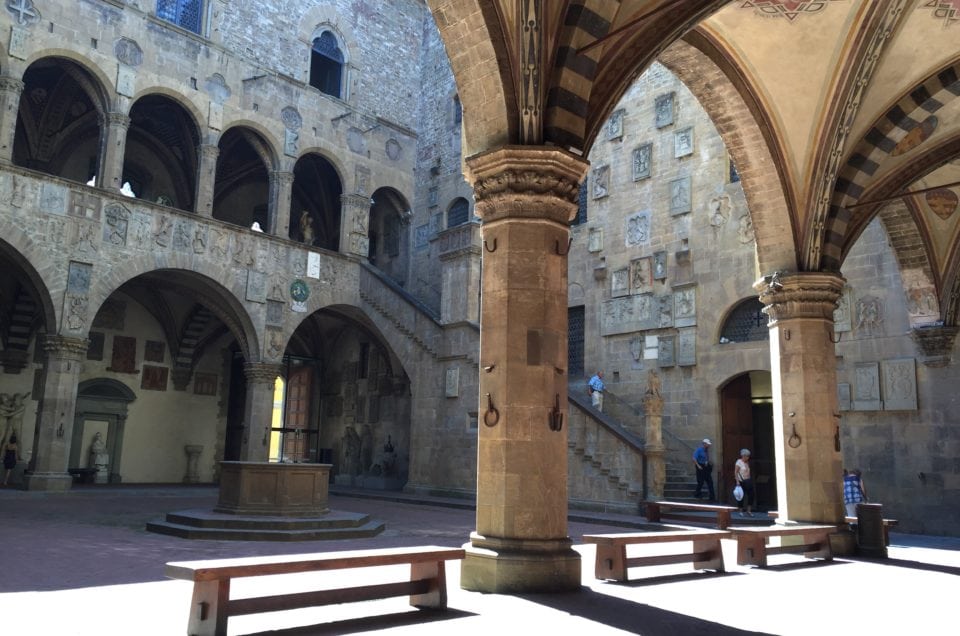
Leaving the Piazza and taking “Via del Proconsolo”, we pass along the National Museum of the Bargello near Palazzo del Podestà and we arrive then to Piazza della Signoria with Palazzo Vecchio, nowadays headquarter of the City Hall and the Gallery of the Uffizi. The first building, according to the tradition, was started by Arnolfo di Cambio, while the second building is the headquarter of a large collection of art works, including paintings and sculptures.
From “Piazza della Signoria”, taking “Borgo dei Greci” we arrive to Piazza Santa Croce hosting the homonymous Franciscan church with the Chapel of the Mad (Cappella de Pazzi), masterpiece of Brunelleschi.
From Ponte Vecchio, taking “Borgo San Iacopo” to then turn left in “Via Presto di San Marino”, we arrive to the Renaissance church of Santo Spirito designed by Brunelleschi. Through “Via Maggi”, we arrive to Palazzo Pitti, which project is the work of Filippo Brunelleschi, and behind which we can admire the splendid Garden of Boboli.
From there, continuing on “Piazzale Michelangelo” we reach the church of San Miniato al Monte, example of Florence Roman architecture with the façade in bicolour marble white and green. We reach the church through stairs leading to the entrance of the Basilica while outside we can visit the large cemetery, where have been found the burial places of famous men such as: Montale, Papini and Lorenzini called the “Collodi”.
|
|